The Little Eaters & Talkers
Overcome Dysphagia Challenges:
Expert Therapy for Safer, More Enjoyable Eating
Our specialized therapist provide personalized treatment plans to improve swallowing function and enhance quality of life.

How We Help Your Little Eater or Talker Overcome Swallowing Difficulties
At Little Eaters and Talkers, we understand the unique challenges that dysphagia can present for children and their families. Our compassionate team of experienced therapists is dedicated to providing personalized care and evidence-based treatment to improve swallowing function, enhance quality of life, and help your child rediscover the joy of eating.


Comprehensive Evaluation
We begin with a comprehensive evaluation tailored to your child’s age and needs. These assessments allow us to gain a deep understanding of your child’s specific swallowing challenges and inform the development of their individualized treatment plan.
Individualized Treatment Plans
Every child’s journey to improved swallowing is unique. We create personalized treatment plans that address your child’s specific needs, challenges, and goals. These plans may include a combination of fun and engaging swallowing exercises, strengthening activities, dietary modifications, and other evidence-based techniques. Our focus is on empowering your child to develop safe and effective swallowing skills in a playful and supportive environment.
Dysphagia can affect children of all ages and may manifest in various ways. Early identification and intervention are crucial for preventing complications and improving your child’s quality of life. Here are some common signs to watch for.
The Struggle
Recognizing the Signs, Is Your Child Experiencing Swallowing Difficulties?

Choking or Coughing During Meals
Frequent choking or coughing during meals may signal difficulty swallowing safely.
Food or liquid entering the airway can increase the risk of respiratory illness and aspiration.
Over time, swallowing challenges may limit intake and affect growth, hydration, and overall development.

Refusal to Eat or Limited Food Variety
Mealtimes may become a struggle when children avoid certain foods or textures.
Ongoing food refusal can lead to nutritional gaps that affect physical and cognitive development.
These challenges may also increase anxiety, frustration, and stress for both children and caregivers.

Slow or Messy Eating Patterns
Some children eat very slowly or have difficulty managing food in their mouths.
Prolonged meals can lead to fatigue and limit opportunities for social interaction.
Frustration around eating may increase behavioral challenges and food refusal over time.

Unexplained Weight Loss or Poor Growth
Concerns about weight or growth may be linked to underlying feeding or swallowing difficulties.
Inadequate nutrition can impact development, energy levels, and overall health.
If left unaddressed, these issues may increase susceptibility to illness and delay progress.
A Better Way to Nurture Little Eaters

Improved
Swallowing
Safety
Therapy helps children develop safe and effective swallowing techniques, reducing the risk of choking, aspiration, and other complications.

Expanded Food Choices &
Improved Nutrition
Therapy can address food aversions and texture sensitivities, allowing children to enjoy a wider variety of foods and improve their overall nutrition.

Enhanced Mealtime Confidence &
Enjoyment
By improving swallowing function and reducing mealtime stress, therapy helps children develop a positive relationship with food and enjoy mealtimes with family and friends.

Increased Independence & Participation
Therapy empowers children to manage their swallowing difficulties and participate more fully in daily activities, fostering greater independence and self-esteem.

Say Goodbye to Swallowing Difficulties
At Little Eaters, we understand that swallowing difficulties can be a major source of stress and frustration for families. Our personalized approach how to develop a safe swallow plan, helping children and caregivers utilize strategies for swallowing, and develop a positive relationship with mealtimes.

Case Study
Ethan’s Journey to Confident Eating
The Challenge:
Ethan’s Journey to Confident Eating
The Challenge:
Ethan, a 3-year-old boy, experienced frequent choking and coughing during meals, causing anxiety for his parents and limiting his food choices.
The Solution:
Ethan’s parents sought help from Little Eaters and Talkers, where he received specialized dysphagia therapy.
The Approach:
We conducted a comprehensive evaluation to identify the underlying causes of his swallowing difficulties. A personalized treatment plan was created, incorporating fun and engaging swallowing exercises, dietary modifications, and strategies to improve his oral motor skills.
The Results:
After 6 weeks of therapy, Ethan’s choking and coughing episodes decreased by 80%. He became more willing to try new foods, leading to a more balanced diet. Mealtimes became enjoyable and stress-free for both Ethan and his family.
We Hire Only
Expert Specialists

John Doe
Cardiac Surgery

Jane Doe
Pediatric Clinic

Jane Doe
Gynecology

Jane Doe
Neurology
Convenience at Your Doorstep:
Personalized Home, Office, Childcare, or Virtual Visits from Little Eaters and Talkers
In today’s fast-paced world, finding time for specialist visits can be a challenge for busy families. At Little Eaters and Talkers, we understand the importance of convenience and comfort in your child’s developmental journey. That’s why we offer personalized home, office, or childcare visits, bringing our expert eating, swallowing, and speech therapy services right to your doorstep.
Our therapy program is designed to reduce the stress of traveling to a clinic, especially for children who may find new environments overwhelming. By working in your child’s familiar surroundings, we can more effectively assess and address their specific needs in a setting where they feel most at ease. This approach not only provides a comfortable and convenient solution for you but also fosters a more natural and effective therapeutic environment for your child.
Experience the difference with our services – where quality care meets unmatched convenience.

Schedule a Meeting
Please select your preferred time.

Perform Inspection
Ensure everything is in order.

Administer Care
Provide appropriate procedures.

Provide Therapy
Deliver effective solutions.

MON................ 8:00 AM – 5:00 PM
TUE.................. 8:00 AM – 5:00 PM
WED................ 8:00 AM – 5:00 PM
THU................. 8:00 AM – 5:00 PM
FRI................... 8:00 AM – 5:00 PM
SAT................ 10:00 AM – 7:00 PM
SUN..................................... CLOSED
Frequently Asked Questions
What is dysphagia, and how do I know if my child has it?
Dysphagia is the medical term for difficulty swallowing. Signs of dysphagia in children can include:
i) Coughing or choking during or after eating or drinking
ii) Frequent spitting up or vomiting
iii)Refusing to eat or drink
iv) Taking a long time to eat or drink
v) Having a gurgly, wet-sounding voice during or after eating or drinking
vi) Unexplained weight loss or poor growth
vii) Recurrent pneumonia or respiratory infections
How can dysphagia therapy help my child?
Dysphagia therapy can help your child in a variety of ways, including:
i) Improving their ability to swallow safely and efficiently
ii) Expanding their food choices and improving their nutrition
iii) Reducing the risk of choking, aspiration, and other complications
iv) Increasing their confidence and enjoyment of mealtimes
v) Enhancing their overall quality of life
What does dysphagia therapy involve?
Dysphagia therapy is tailored to each child’s individual needs and may include a variety of techniques and exercises, such as:
i) Swallowing maneuvers and exercises to strengthen the muscles involved in swallowing
ii) Dietary modifications to make food and liquids easier to swallow
iii) Positioning strategies to optimize swallowing function
iv) Adaptive feeding equipment to facilitate safe and independent eating
v) Education and training for parents and caregivers on how to support their child’s swallowing at home.
How long does dysphagia therapy last?
The duration of dysphagia therapy varies depending on the severity of the child’s swallowing difficulties, their age, and their individual progress. Some children may only need a few sessions of therapy, while others may require ongoing treatment. Our therapists will work closely with you and your child to develop a treatment plan that meets their specific needs and goals.

Request An Evaluation




In-person, Office, Childcare and Virtual options

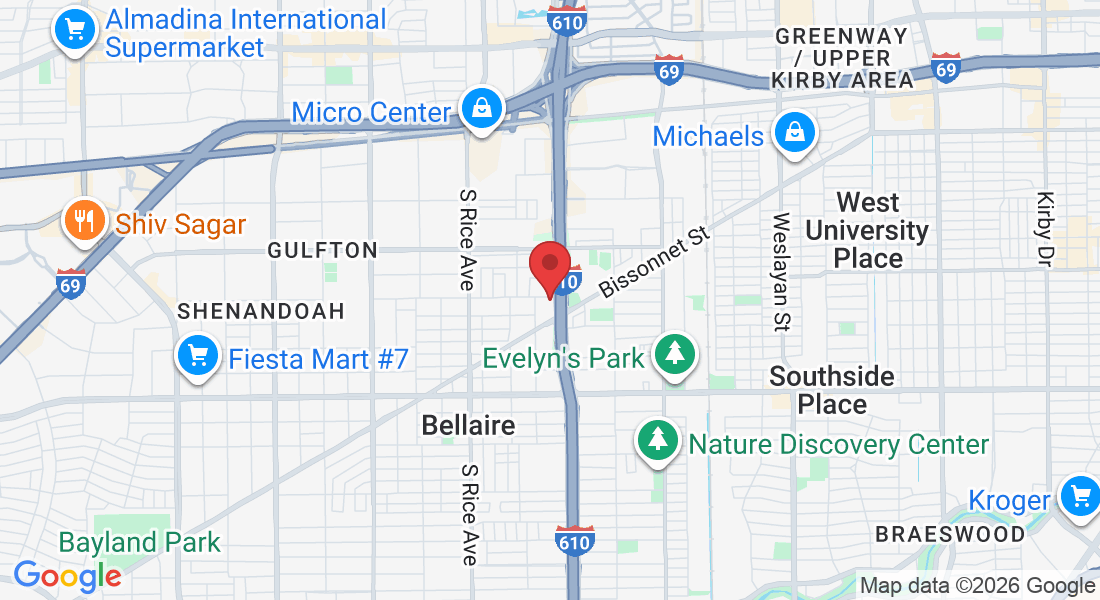
Address
6300 West Loop South, Suite 290
Bellaire, TX 77401

Call Us
+1 832-304-3506

Send us a Mail

Opening Hours
Monday 9 AM–12 PM
Tuesday 9 AM–4 PM
Wednesday 12–4 PM
Thursday 9 AM–4 PM
Friday 9 AM–12 PM
Saturday Closed
Sunday Closed
Get in Touch with us
We’re here to help anytime

Call Us

Mail Us

Opening Time
Mon -Sat: 7:00 - 17:00
Contact Us
Email: [email protected]
Phone: +1 832-304-3506
Fax: 346-341-0359
Address: 6300 West Loop South, Suite 290 Bellaire, TX 77401


Subscribe to our Mailing List!
Get Expert Feeding & Speech Tips Straight to Your Inbox!
© Copyright 2026 The Little Eaters & Talkers. All Rights Reserved.